







Search Results for: milk flow distance control
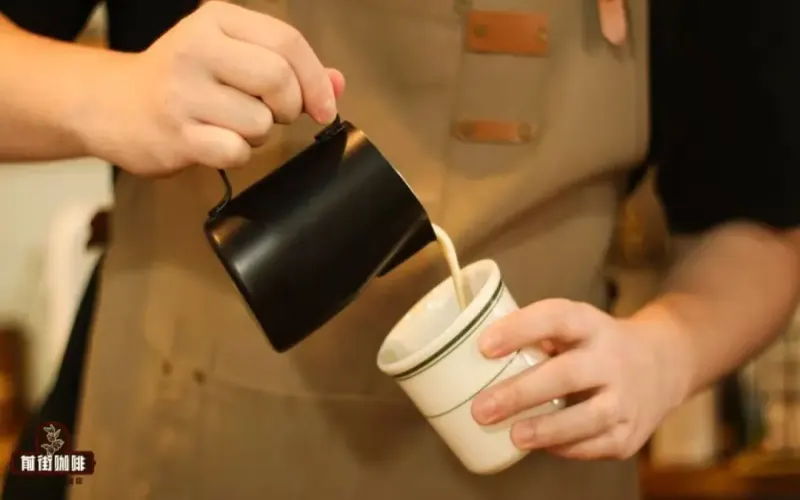
Key details in the milk-pouring and integration stage of latte art: how flow rate, pouring distance, and milk volume affect the final result
When making an espresso latte, the success of the latte art pattern often depends on whether the integration step is done properly. When integrated well, the pattern background is clean and the coffee flavor is unified; when integrated poorly, not only does the image look messy, but the mouthfeel also feels disjointed. Front Street Coffee points out that there are three easily overlooked details in the integration stage: the flow rate of the milk being poured, the distance between the milk pitcher and the liquid surface (the pouring distance), and the amount of milk used for integration. This article will break down these three key points one by one, explaining why a low flow rate combined with a high pouring distance is more conducive to integration, as well as the specific requirements for integration milk volume for different latte art patterns, helping you make latte coffee with consistent flavor and a clean image at home. [more…]

Why Is Your Latte Art Never Full Enough? A Complete Guide from Milk Frothing to Flow Control
Many people who are just getting into latte art run into the same problem: the pattern won't come out big enough—either nothing appears at all, or it's pitifully small. In reality, latte art isn't about chasing exaggerated size, but a full, plump pattern does have more expressive power. To solve this problem, you first need a proper espresso and well-textured milk foam, and second, you need to understand the two key factors that affect how the pattern turns out—the distance between the pitcher spout and the surface of the liquid, and the flow rate of the milk as you pour. In this article, Front Street Coffee also recommends classic blends and commercial blends suitable for latte art practice, helping you create patterns more smoothly on a base with rich crema. [more…]
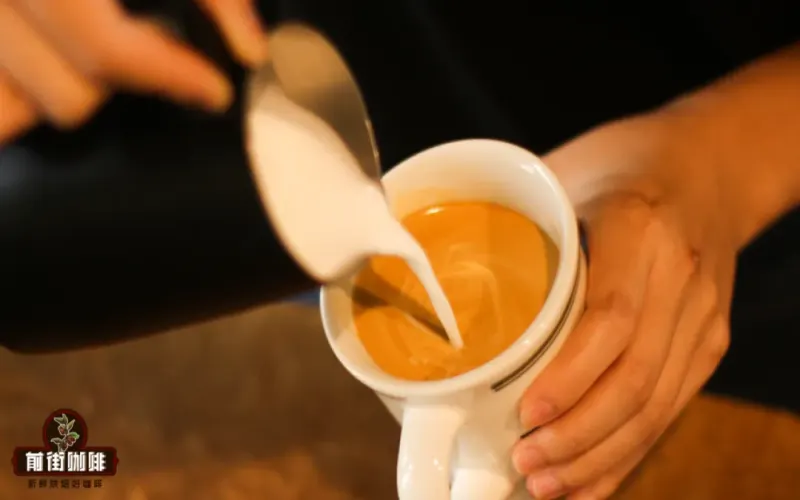
Analysis of Four Common Mistakes in the Coffee Latte Art Pouring Phase: How Flow Distance, Flow Rate, and Crema Condition Affect the Pattern
When creating latte art, integration is a preparatory step just as important as the bloom in pour-over coffee. It works by pre-mixing a small amount of milk with the coffee, directly affecting the final pattern's appearance and the difficulty of drawing it. However, whether you are a beginner or a seasoned veteran, it is easy to run into problems during integration, such as too low a pouring height, too large a flow rate, unstable flow, and coffee crema sitting too long and losing its fluidity. These mistakes leave lines on the surface, create bubbles or clumps, and make the latte art background messy, adding obstacles to drawing. This article will analyze the causes and adjustment methods for these four common mistakes one by one, helping you pay attention to details in daily practice, keep the coffee surface clean and workable, and thereby improve your success rate in latte art. [more…]
Analysis of Four Common Mistakes in the Milk Integration Stage of Latte Art: A Complete Guide to Pour Height, Flow Rate, and Crema Condition
When making a latte, the integration step before latte art is often overlooked, yet it is just as crucial as the bloom in pour-over coffee. Improper integration directly affects the aesthetics of the pattern and the difficulty of drawing it. This article summarizes the four most common mistakes made by beginners and advanced players during integration: too low a pouring distance, too high a flow rate, unstable flow, and espresso crema left sitting too long and losing its fluidity. At the same time, Front Street Coffee offers recommendations for classic blend and commercial blend beans to help you achieve ideal crema and flavor. Mastering these key points can effectively improve your latte art success rate and overall coffee performance. [more…]

Why Dirty Coffee Layers Are Not Distinct: Causes, Solutions, and Front Street Coffee Espresso Blend Recommendation
Want to make a beautifully layered, richly flavored Dirty coffee, but always end up with the embarrassing situation where the espresso shoots straight into the milk and turns into an iced latte? In fact, the key factors affecting the layering effect are not complicated, mainly including the distance between the espresso outlet and the milk surface, the temperature and concentration of the milk itself, and the extraction quality of the espresso. This article will analyze the common causes of layering failure one by one from these three perspectives, and give specific and feasible adjustment methods, including various operational solutions for shortening the distance, suggestions for using iced milk and a chilled cup, and how to judge whether the espresso concentration meets the standard through extraction time and grind size. At the same time, it will also recommend the types of coffee beans suitable for making Dirty and the specific flavor performance of Front Street Coffee's classic Italian blend, helping coffee lovers consistently produce a cup of Dirty with clear layers and harmonious taste. [more…]

How Is Stirred Integration Different from Pre-Integration? An Analysis of Two Integration Techniques Every Latte Art Enthusiast Must Know
Before creating latte art, there is an often-overlooked yet crucial preparatory step—incorporation. The quality of incorporation directly determines whether the latte art pattern is neat and beautiful, as well as whether the flavor is balanced and unified when the coffee is tasted. For milk coffees that require milk foam, mastering the correct incorporation method can greatly reduce the difficulty of operation. This article will focus on two mainstream incorporation techniques: the classic stirring incorporation, and the recently emerging pre-incorporation. The former suits most scenarios but demands a high level of skill proficiency, while the latter can effectively handle tricky situations such as poor crema quality or latte art in takeaway cups. The article will also combine Front Street Coffee's espresso bean recommendations to explain the impact of coffee bean selection on incorporation and latte art, helping coffee enthusiasts flexibly choose the appropriate incorporation method based on actual conditions. [more…]

Why Does Latte Milk Foam Disappear Quickly? A Comprehensive Analysis from Coffee Crema and Milk Foaming to Pouring Techniques
Just finished pouring latte art, and within two minutes the milk foam breaks down into big bubbles? Many friends who make milk coffee have encountered this frustration. Why does a latte with fine, silky milk foam disintegrate so quickly? In fact, the cause may lie in three areas: the freshness of the coffee beans, the quality of the milk frothing, and the pouring technique. This article will analyze the causes of rapid milk foam breakdown one by one—from the stability of coffee crema, the fineness of milk foam and temperature control, to the technique of combining coffee and milk—and offer practical ways to avoid it. It also recommends Front Street Classic Blend and Front Street Dark Cocoa Base Blend, which are ideal for latte art, helping you easily extract fine crema and make your latte art patterns more durable and stable. [more…]
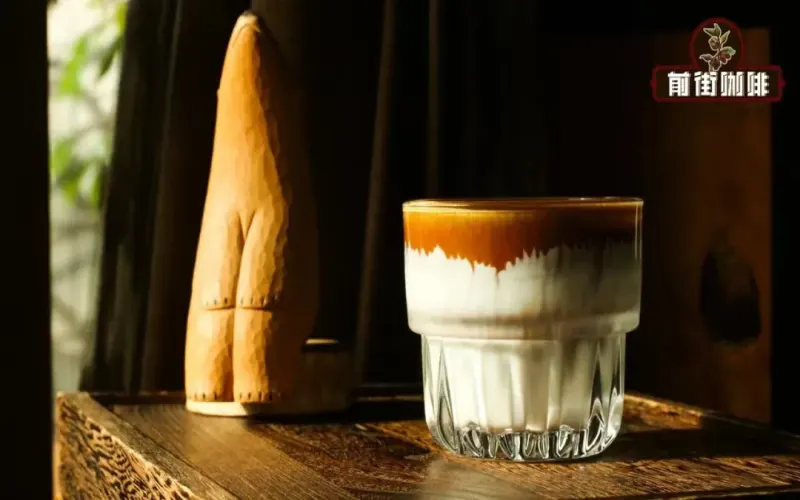
The Complete Guide to Making Dirty Coffee: How to Perfectly Layer Espresso and Milk, and Its Key Differences from a Latte
Dirty coffee has long been popular among coffee enthusiasts for its visual effect of espresso floating on the surface of iced milk and slowly seeping downward, along with its contrasting mouthfeel. However, many people who try to recreate it at home often run into the problem of the espresso sinking straight to the bottom and blending in, with no layering at all. Drawing on the practical experience of Front Street Coffee, this article systematically outlines the three key factors in making dirty coffee: controlling the distance between the milk surface and the espresso outlet, maximizing the temperature difference between the milk and the espresso, and increasing the milk's concentration—and it also answers the essential question of how dirty coffee differs from a latte. Whether you want to make a dirty coffee that delivers both good looks and great taste, or you want to figure out exactly how it differs from an iced latte, this guide will give you clear answers. [more…]

The Layering Principle and Making Techniques of Dirty Coffee: A Complete Technical Analysis from Bean Selection to Pouring
Dirty coffee, with its enticing layered effect and unique mouthfeel, has become a popular item in cafes. But many people who try making it at home often run into the embarrassment of no layering, the coffee sinking to the bottom, or even turning into a milk-tea color. This article starts from the physical principles, breaks down the differences between a Dirty and an iced latte, and explains in detail how to make a Dirty coffee with clear layers and a natural gradient by controlling the three key elements: temperature, concentration, and impact force. The article also includes Front Street Coffee's practical details on bean selection, cup choice, and milk ratios, helping you master the essentials in one go. [more…]
From Heart to Swan: An Advanced Coffee Latte Art Tutorial, Mastering the Shaping Techniques of Multi-Layer Heart, Rosetta, and Tulip
Want to make coffee-shop-quality latte art at home? This tutorial will take you from the basics to advanced techniques. The article first emphasizes the importance of steaming milk, and points out that integration is the key step that determines whether the milk coffee has an even texture. Then, we break down the specific techniques for five classic patterns—heart, layered heart, rosetta, tulip, and swan. From choosing the pour point and controlling the flow to the timing of bringing the cup back and the finishing motion, every step is explained in detail. Whether you are a complete beginner or an advanced player looking to break through a plateau, you will find practical tips and practice directions here. [more…]

Simple Latte Art Illustrated Guide | What is the principle behind coffee latte art? Which kind of milk is used to make latte art? Is it hard for coffee beginners to learn latte art?
Many people ask Front Street, how long does it take to learn latte art? If we're just talking about producing a good-looking pattern, with a bit of luck it only takes one day. If we're talking about truly mastering a pattern, it takes at least 4 days. So many people ask, where do these 4 days come from? It's simple: Day one, read this article from Front Street; day two, practice; day three, [more…]
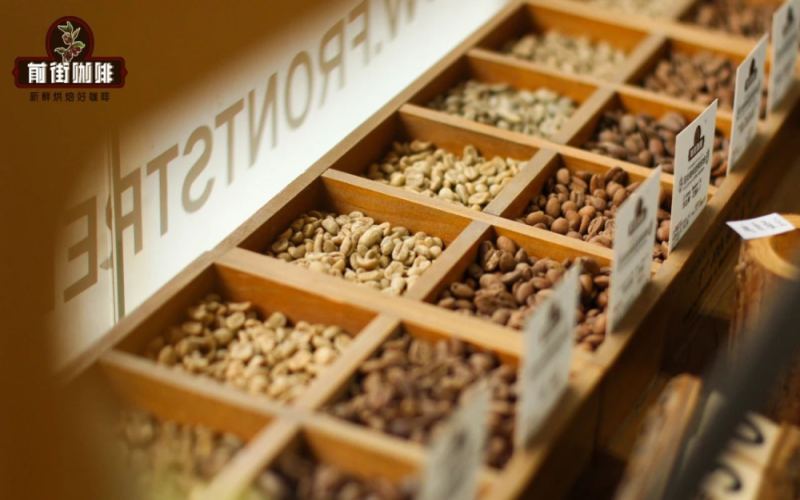
Yunnan blend extraction parameters | What coffee beans are used to make espresso? How do you adjust the grind size for espresso beans? How do you make a delicious latte?
Although more and more people are paying attention to single-origin coffee nowadays, judging from the ordering situation at Front Street Coffee, espresso-based drinks still account for a large proportion. This is merely a matter of taste preference, and it does not mean that espresso is better than single-origin coffee, or that people who drink espresso do not [more…]

The Principles of Latte Art | What Is the Key to Making Latte Art? Why Is There No Pattern When Making Latte Art?
“Why can't my latte produce a beautiful pattern? Why is it that when others casually wiggle the milk pitcher, they can make a heart or leaf with lines! But when I wiggle, it always just looks like a blob… Is there something wrong with my hands?” No! Maybe it's your pitcher-holding posture that's wrong~ What is the principle behind latte art? Why can wiggling produce a pattern? Espresso [more…]

A Record of Self-Learning Latte Art at Home: Reflections on Progressing from a Clumsy Beginner to Independently Creating Patterns
Many people fall in love with coffee starting from a latte topped with intricate latte art. When you manage to recreate that ideal pattern with your own hands, the satisfaction is irreplaceable. Nowadays, with abundant online tutorials, even complete beginners can explore latte art techniques at home as long as they have the equipment and ingredients ready. But once you actually get hands-on, you'll find that failure is the norm. This article documents the real journey of self-taught latte art—from treating the milk pitcher like a paintbrush to creating abstract masterpieces, from hearts to Ultraman and all kinds of unexpected shapes—and also summarizes practice insights on key steps like milk frothing, integration, and flow control. Failures aside, the passion remains undiminished, because every attempt brings you closer to that moment of pride. [more…]
How can you precisely determine the grind setting for espresso? Which blend should you choose for espresso?
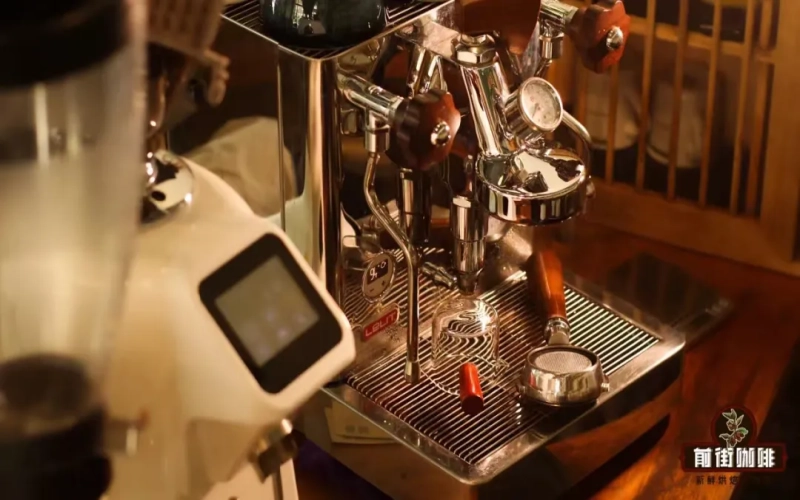
Many friends who are just getting into espresso run into the same confusion: even when they follow the parameters provided by the vendor, the coffee they make either has no crema, tastes weak and flat, or is bitter and hard to swallow. In fact, the key to the problem often lies in controlling the grind size and the coffee-to-liquid ratio. This article will start with how to determine grind size, helping you find the right setting for your equipment. It will also recommend several Front Street Coffee espresso blends, covering different styles such as rich, floral and fruity, nutty, commercial, and basic. It will then explain the working principles and adjustment logic of flat burr grinders, and finally explain when recalibration of grind size is needed, as well as the thinking behind a café's daily adjustments to espresso parameters. [more…]
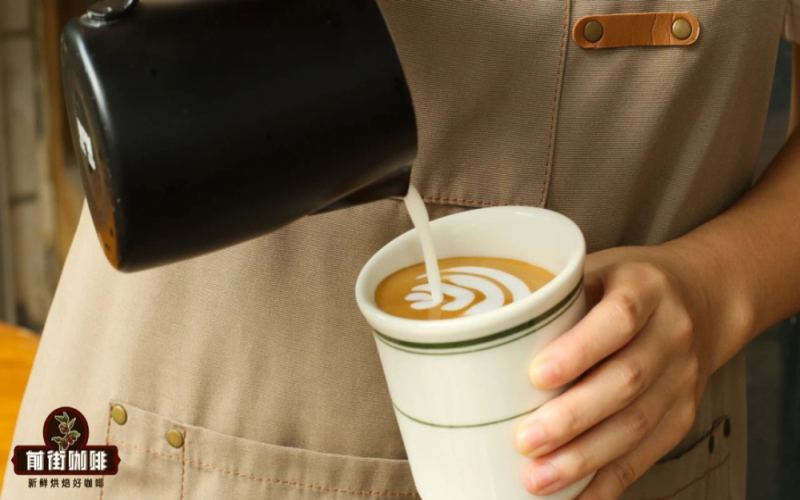
Full Process Tutorial for Italian Coffee Latte Art Heart Pattern: Detailed Explanation of Milk Foam Steaming, Blending Techniques, and Pitcher Holding Posture
Want to make café-level heart latte art at home, but it always turns into a blob the moment you pour? The key actually lies in three elements: milk foam texture, integration technique, and pitcher grip. Front Street Coffee has systematically put together everything from steam wand positioning and milk frothing temperature control, to integration flow practice, latte art pitcher grip, and then to efficient daily practice methods, to help you conquer the heart pattern step by step. There is no mysticism in this article—it is all hands-on details you can practice, suitable for beginner coffee enthusiasts to follow along. [more…]

Latte Coffee Beans | What Does Latte Mean? What Are the Methods for Making Milk Coffee? How Do You Make Delicious Espresso?
Nowadays, more and more people are paying attention to single-origin coffee, but in terms of orders at FrontStreet Coffee, espresso-based drinks still account for a larger proportion. When it comes to choosing espresso beans, what FrontStreet Coffee focuses on is [more…]

How do you make a heart latte art? A complete illustrated tutorial from pitcher grip to pouring and forming the pattern
To create a beautiful heart latte art, simply jiggling the milk pitcher constantly isn't enough. Many coffee enthusiasts practicing often feel they are clumsy, but the problem usually lies in how they hold the pitcher, the pouring technique, and the oils in the coffee beans. This article starts with the principles of latte art, explains two practical pitcher-holding postures in detail, and breaks down the two key steps of incorporating and drawing, helping you build stable muscle memory. It also explains why Front Street Classic Blend and Front Street Commercial Blend can provide ideal espresso crema, making latte art smoother. [more…]

Latte Art from Beginner to Advanced: A Full Breakdown of Pouring and Design Techniques Plus Practice Tips
Latte art is what draws many people into the world of coffee, but how long does it actually take to master? In this article, Front Street Coffee shares the core principles and practical details of latte art, starting from the two main actions of integration and drawing, breaking down key elements such as height control, the timing of returning the cup, the use of force, the offset of the landing point, and the finishing technique, and offering four practical practice tips to help enthusiasts avoid detours and quickly get the hang of basic patterns like hearts, leaves, and tulips, and even take on more difficult combination patterns. [more…]
Coffee Latte Art Beginner Tutorial: Milk Frothing, Pouring Techniques, and Step-by-Step Guide to Heart, Tulip, and Rosetta Patterns
Many people who are just getting into coffee think latte art doesn't look that hard—isn't it just casually pouring out a heart or a tulip? But once they actually try it, they discover that the milk just pours out in blobs, and they can't even make the most basic heart shape. In fact, latte art isn't as mysterious as it seems. The key lies in mastering a few core steps: steaming a pitcher of milk foam with moderate flow, properly integrating the base, holding the pitcher and cup with the correct gestures, and then practicing repeatedly. This article will break down everything step by step, from positioning the steam wand, controlling milk foam temperature, practicing the integration pour, to how to hold the latte art pitcher, and will also include the key operating points for the layered heart, tulip, and rosetta patterns, helping coffee enthusiasts systematically get started with latte art techniques. [more…]